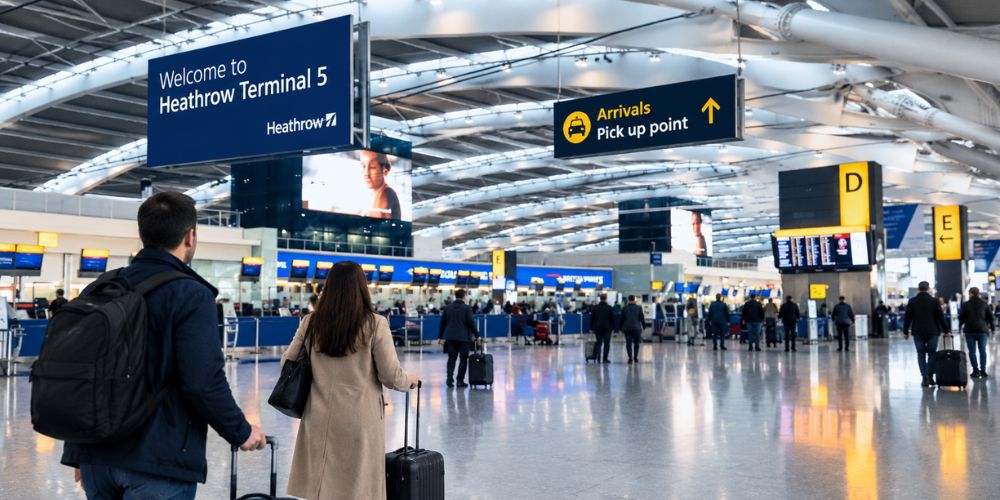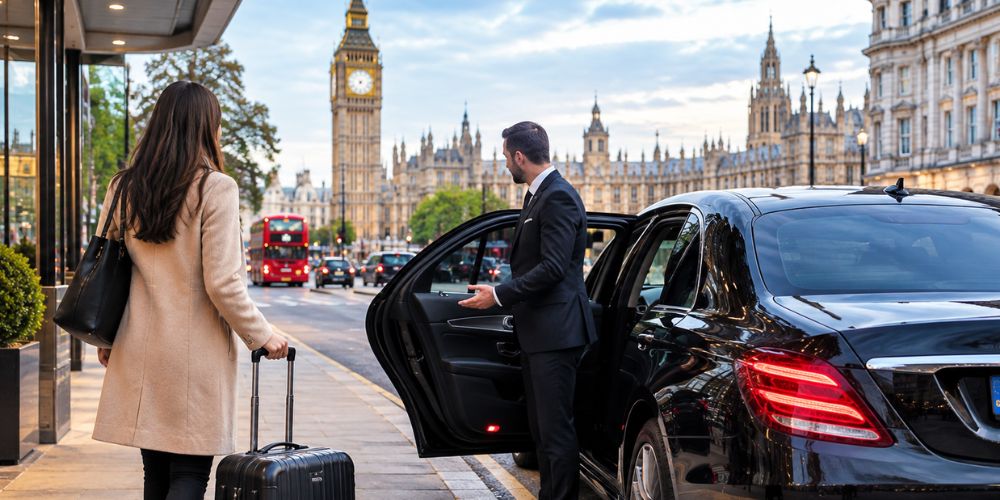
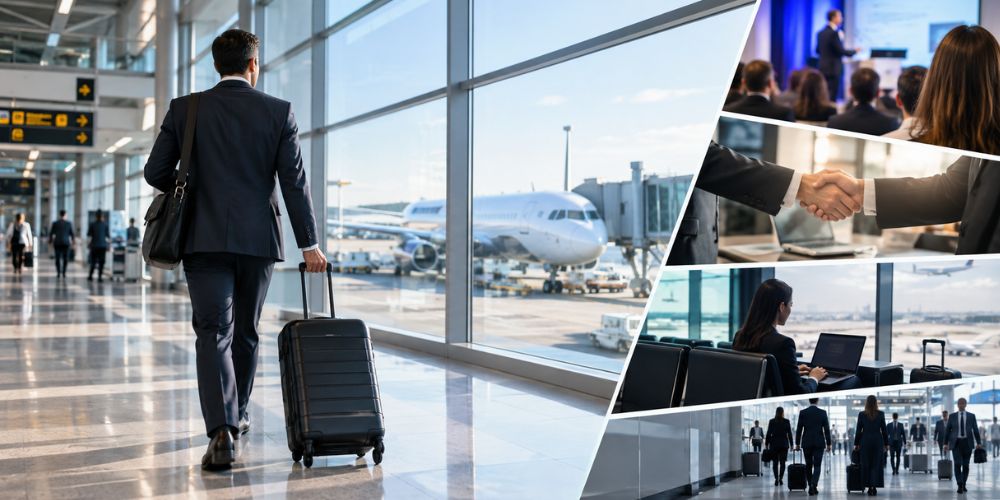
Business travel can take many forms depending on the reason for the journey. An employee may need to travel to meet a client, attend a conference, visit a work site or represent their company at an exhibition. Some trips may last only a few hours, while others can involve several days away from home.
Although online meetings have made it easier to communicate remotely, there are still many situations where travelling in person is important. Meeting clients face to face, attending industry events and visiting company sites can all play an important role in business. Understanding the different types of business travel can help companies plan journeys more effectively and choose suitable transport for their employees.
Bleisure Travel
Bleisure travel combines business travel with personal leisure time. For example, an employee may travel to another city for a conference and decide to stay for an extra day to explore the area. This type of travel can make a business trip more enjoyable, but employees should understand which parts of the journey are covered by their employer. Any additional accommodation, meals, activities or changes to the return journey may need to be paid for personally. Companies should also have clear travel policies so employees know what is allowed when extending a business trip for leisure.
Client Meetings
Client meetings are one of the most common reasons for business travel. An employee may need to visit a client’s office to discuss a project, present a proposal, review progress or build a stronger working relationship. Some meetings may take place close to the company’s office, while others may require travel to another city or region. When the meeting is important, arriving on time can make a good impression. Planning the journey in advance gives employees more time to deal with possible traffic, parking or travel delays. It also means they can arrive at the meeting location without having to arrange transport at the last minute.
Conference Travel
Conferences bring professionals together to learn, share ideas and meet others in their industry. Employees may attend conferences to listen to speakers, take part in discussions or represent their company. A conference trip can involve several parts of the journey. Employees may need to travel from home to the airport, continue to a hotel and then travel to the conference venue each day. If the event is taking place in another city, arranging these journeys before travelling can make the trip easier to manage. It can also help employees keep to a busy conference schedule.
Corporate Events
Businesses organise and attend many different types of corporate events. These can include networking events, product launches, training days, award ceremonies, seminars and company gatherings. Some events involve just a few employees, while others may require transport for larger groups. When several people are travelling to the same location, arranging group transport can be easier than asking everyone to make separate arrangements. The journey may also involve more than one destination, such as an airport, hotel and event venue. Planning the journey in advance can make the day easier to manage.
Offshore and Worksite Travel
Some employees need to travel regularly to work sites or locations away from their usual workplace. This can be common in industries such as construction, engineering, energy and other sectors where employees work at different sites. Offshore and extended work assignments can require more planning than a normal business meeting. Employees may need to travel with work equipment, luggage or specialist items and may also need transport at different stages of the assignment. For longer trips, businesses should consider the full journey rather than just the first transfer. This can include airport pick-ups, transport to accommodation and journeys to the work site.
Exhibitions and Trade Shows
Exhibitions and trade shows give businesses the chance to promote their products, meet potential customers and build relationships within their industry. Employees attending these events may have a busy schedule, with meetings and presentations taking place throughout the day. They may also need to carry promotional materials, display equipment or other business items. Transport is therefore an important part of exhibition planning. Employees may need transfers between the airport, hotel and exhibition centre, sometimes over several days. Booking airport transport in advance can make it easier to plan these journeys around the event timetable.
Team Building Activities
Team building activities give employees the chance to spend time together away from their usual workplace. These may include outdoor activities, workshops, meals, training sessions or overnight stays. Arranging transport for a whole team can be more difficult than planning travel for one person. Employees may start their journey from different locations but need to reach the same venue at a set time. Booking group transport in advance can make the journey easier to manage and help the team arrive at the venue together.
How to Book Private Transfers for Business Travel
Private business transfers can be a useful option for business travellers who need to move between airports, hotels, offices, meeting venues and work sites. When you book a private business transfer with Shaws Travel Solutions, we ask for a few details to help us plan your journey. These usually include:
- Pick-up location
- Destination
- Travel date and time
- Number of passengers
- Amount of luggage
- Flight number, if travelling by air
- Any special travel requirements
For airport transfers, your flight number helps us plan the pick-up around your expected arrival time. If your flight is delayed or arrives earlier than expected, we can use the flight details to keep track of the updated arrival time.
We also recommend checking the fare and booking details before confirming your journey. If you are travelling with colleagues, let us know how many people are travelling and how much luggage you have so we can provide a suitable vehicle. If employees are travelling on different flights or have separate meeting times, we can also arrange individual transfers to fit their schedules.
Why Businesses Use Private Transfers
Business travellers often have limited time between flights, meetings and events. Having a transport book in advance can make these journeys easier to manage. A private transfer can take employees directly from one location to another without requiring them to find a taxi, change public transport or arrange a vehicle after arriving at an airport. It can also be useful when travelling with colleagues or business equipment. The journey can be planned around the group’s schedule, making it easier to reach meetings, hotels or event venues on time. For businesses that arrange regular travel, using the same transfer provider can also make bookings easier to manage.
Conclusion
Business travel can involve many different types of journeys, from short client meetings and site visits to conferences, exhibitions, corporate events and longer work assignments. Each trip can have different transport requirements. Planning the journey in advance can help employees manage their time and move between airports, hotels, offices and work sites more easily. Private transfers can be particularly useful when travelling with colleagues, luggage or business equipment. By providing accurate travel details and booking transport ahead of time, businesses can make it easier for employees to focus on their meetings, events and other work commitments.